Welcome to china's largest care and rehabilitation expo with 50,000 visitors
Industry News Jul. 15, 2026
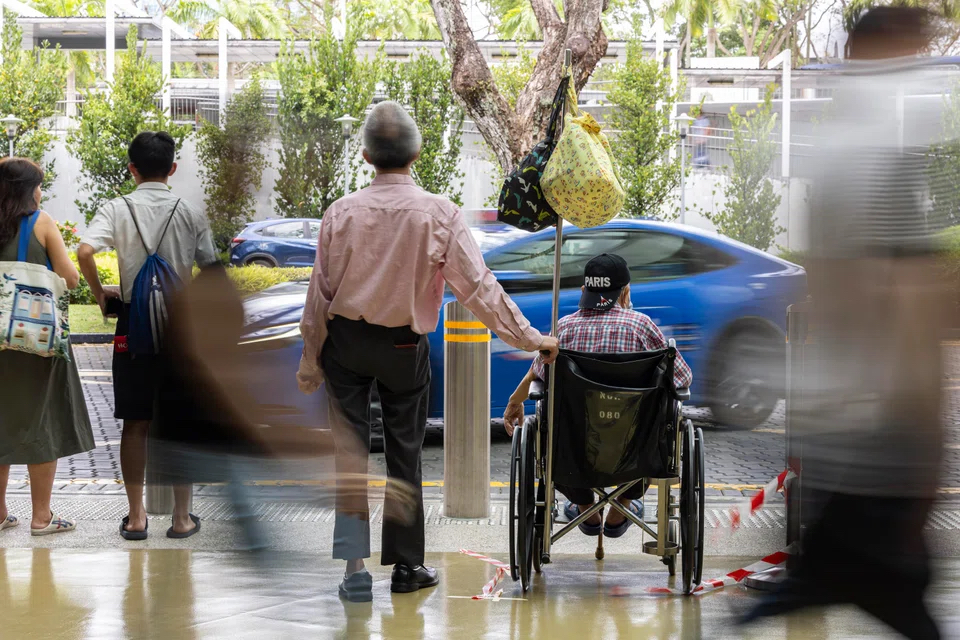
A new study released on Thursday (Jun 11) by GreatEastern has found that while most Singaporeansprefer home-based care for long-term care needs,many underestimate the financial and emotionalpressures involved. PHOTO: BT FILE
[SINGAPORE] Nearly two-thirds of all injury-related claims payable up to end-May 2026under GREAT CareShield, a Great Easterncoverage plan, were filed by working-agepolicyholders aged 30 to 39, Great Eastern:G07 +1.99% has found.
The insurer also found that nearly three in 10long-term disability claims stemmed frominjuries.
These statistics were drawn from claimsmade between October 2020 and May 2026under Great Eastern's GREAT CareShield, asupplementary insurance plan providingenhanced long-term care coverage on top ofSingapore's national CareShield Life andElderShield insurance schemes.
The plan provides payouts and benefits fromas early as the inability to perform oneactivity of daily living sets in.
The insurer, which undertook a study intolong-term care, said in its report that thistype of care, once perceived as a remote andunlikely contingency, is now recognised as a"high-probability life phase": One in twoSingapore residents could develop severedisability at some point in their lives.
A key finding was that although Singapore isbecoming a super-aged society, a significantnumber of those needing long-term care arenot that old: Overall, 62 per cent of GREATCareShield claimants in the study are underthe age of 50.
Kwek-Perroy Li Choo, managing director atGreat Eastern, said as much in a briefing onThursday (Jun 11) - that long-term care is notan age-related problem.
She added that with about half of healthySingaporeans expected to develop severedisability from injury or illness, long-termcare is becoming a stark reality forindividuals and families in all age groups.
She noted that disability may be short-term,lasting six months or a year or two, but itcould also be permanent, and that it isimportant for Singaporeans to be aware oftheir options for financial protection.
Great Eastern has been providing earlier-stage financial protection for mild disability,and will now also offer practical caregivingbenefits for its policyholders.
In July, it will launch a home caregivingconcierge service in collaboration withprivate home-care provider Care@Homes forall GREAT CareShield policyholders and theirfamilies.
Kwek said that, having worked abroad andseen other countries' systems, she hasrealised that Singapore's move to make long-term care insurance compulsory is rare.
She was referring to CareShield Life, whichcovers citizens and permanent residentsborn in 1980 or later by default. Those bornearlier are eligible for it as well.
Many global insurers do not offer coveragefor long-term care because it is a high-liability, long-tail risk.
Great Eastern is one of three private insurersoffering this kind of insurance coverage inSingapore, along with Singlife and IncomeInsurance.
Perception gap in long-term care
The findings of the study released onThursday by Great Eastern found that while amajority of Singaporeans prefer home-basedcare for long-term care needs, manyunderestimate the financial and emotionalpressures involved.
The insurer said the findings highlight a gapbetween public perception and the realitiesof long-term disability and caregiving costsin Singapore.
The study showed that awareness of long-term disability rose significantly to 42 percent in 2025, from 29 per cent in 2023Despite this, nearly six in 10 Singaporeanshave still not seriously considered thelikelihood of becoming disabled.
This suggests that while public education hasimproved general understanding, it has notyet translated into action, mirroring thefindings by the Ministry of Health -that onlyabout one in three Singaporeans have takenup supplementary plans to enhance theirbaseline CareShield Life or ElderShieldcoverage.
Findings of an online poll
Great Eastern also did an online poll of 1,000residents, comprising Singapore citizens andpermanent residents aged 30 to 64. Carriedout between December 2025 and January2026, it aimed to suss out their attitudestowards disability and long-term care,including their receptivity to CareShield Lifesupplements.
The survey found that when long-term carebecomes necessary, Singaporeans show astrong preference for home-based care. Sixty-eight per cent of the respondents preferredprofessional care support delivered at homeover institutional care settings.
Kwek said: "We now recognise that that longterm care is no longer solely about fulfillingmedical needs. There is a desire bySingaporeans to maintain their dignity whileunder long-term medical care.
"Everyone, regardless of age or ability,treasures a sense of belonging to familiarenvironments, hence we see increasingpreference for home-based care.
The study also highlighted a perception gapabout the actual cost of home care.Respondents estimated monthly long-termcare expenses to be around S$2,400, but careprovider Care@Homes pegged it at closer toS$3,500 a month.
These costs far exceed the basic coverage ofS$689 per month provided by CareShieldLife.
When asked what services they would wantinsurers to provide in the event of disability,respondents cited day-to-day care (61 percent), medical coordination (55 per cent) andrehabilitation support (52 per cent) as themost important forms of support.
Close to four in 10 of them (38 per cent) saidthey valued payouts beginning from themild-to-moderate disability stage, when aperson may be unable to perform one or twoactivities of daily living.
From a caregiver perspective, respondentshighlighted practical support as the mostimportant forms of assistance, withtransportation to medical appointments (45per cent), respite care for caregivers (37 percent) and standby help (33 per cent) rankinghighest.